Author: Joanne Larson

Nursing Home Falls Attorney

Nursing home residents face unique risks of falls due to their advanced age, frailty and health conditions that may impact balance and mobility. Injuries from falls in nursing homes can be devastating and often preventable.

Nursing Home

It is important to contact Chicago Nursing Home Falls Attorney immediately after a fall to investigate whether the incident was preventable. Your lawyer will review care charts, examine environmental factors and other relevant evidence to assess the strength of your claim.

When your elderly loved one falls and sustains injuries in a nursing home, assisted living facility or other long-term care facility, the trauma and physical pain they experience can be severe. These injuries can also result in high medical bills, a loss of income, and emotional distress. Fortunately, there is financial compensation available to help pay for these expenses and losses.

Nursing home falls often occur due to the negligence of a facility’s staff members. This includes failure to properly supervise residents, failing to take measures to prevent falls, and even intentional acts of harm such as physical abuse or exploitation. When these incidents cause a loved one to suffer from serious injuries, a skilled and experienced attorney can file a nursing home fall lawsuit against the responsible party to recover damages.

Each case is unique, and the value of a claim depends on the extent of your loved one’s injuries and how negligent the nursing home was in causing them. A lawyer will work to gather evidence including medical records, surveillance footage, and staff logs to prove how the injury occurred. Then they will evaluate the nature and severity of your loved one’s injuries to calculate how much compensation to seek in a settlement or verdict.

Common injuries from nursing home falls include fractures, sprains, concussions, dislocations, spinal cord damage and traumatic brain injury. Each type of injury is associated with varying levels of medical treatment, rehabilitation and pain. Your family member may need surgery, hospitalization, medication and ongoing physical therapy or other rehabilitative services. In addition, some types of injuries can cause lasting effects, such as depression, anxiety and other psychological symptoms.

It is important to pursue justice against the nursing home that harmed your loved one by acting quickly and hiring an experienced personal injury attorney. Most states have strict statutes of limitations that set a time limit within which you can file a lawsuit. Failing to do so could mean losing your right to receive the full amount of compensation you deserve for your loved ones’ injuries and losses.

A Kentucky nursing home fall attorney can investigate the incident and determine if there is sufficient evidence to file a claim. They will review your loved one’s medical records, interview witnesses, examine accident scene photos, and collect any other documentation that supports the facts of your case. Then they will negotiate with the at-fault party’s insurance provider to get a fair settlement or jury award. If they cannot reach an agreement, your attorney will be prepared to go to trial. This can include presenting expert testimony to support your claims.

Liability

When a family member falls in a nursing home and suffers injuries, the facility may be liable for negligence. Proving this requires evidence including medical records, incident reports, witness testimonies, surveillance footage, and other evidence. Our team will work with experts to collect and analyze the evidence and build a case for maximum compensation. Most nursing home fall lawsuits are resolved through settlement negotiations instead of going to trial, allowing families to get the money they need faster.

A nursing home is legally required to put a plan in place to reduce the risk of fall-related injuries for its residents. This includes identifying a resident’s risks, creating a care plan to address those risks, and providing safety equipment and assistance as necessary. The staff members responsible for your loved one’s care must also be properly trained in preventing and responding to falls. If a staff member or a resident’s behavior contributed to the fall, they may be individually liable for their actions.

Fall-related injuries are often devastating, especially for elderly patients. They can lead to traumatic brain injury, spinal cord injury, broken bones, and even death. These complications can have life-long effects on a patient’s quality of life and require costly rehabilitation or long-term care. The victim’s family can seek compensation for these costs, as well as emotional suffering and other damages.

Nursing homes and assisted living facilities are a critical part of our society, but the care they provide is not always up to par. When a resident is injured due to neglect or abuse in these types of facilities, it is crucial that the family takes action to hold the facility accountable and seek justice for their loved one.

It is important to act quickly when a loved one suffers a fall in a nursing home, as strict legal deadlines apply. If the family misses these deadlines, they will forfeit their right to file a claim for financial recovery.

A successful nursing home fall lawsuit can recover compensation for the victims’ injuries and losses. This can include damages for medical bills, physical therapy, pain and suffering, long-term care costs, and wrongful death. A lawsuit can also help raise awareness of the issues and encourage the facility to change its policies.

Nursing home neglect is a serious problem other states, causing many serious injuries and deaths among seniors. Neglect can take several forms, including malnutrition, dehydration, exploitation of financial resources, and wandering or elopement. When a loved one dies due to neglect in an assisted living or nursing home, it is considered a wrongful death under state and federal laws. The family may pursue a wrongful death claim against the negligent facility, as well as individual staff members who were responsible for their loved one’s care. This type of case is complex and requires experienced attorneys with extensive knowledge of elder abuse & neglect laws.
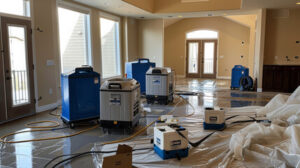
Preventing Secondary Damage: How Professional Water Damage Restoration Saves Money

Water damage is one of the most common and costly issues property owners face. Whether it begins with a burst pipe, roof leak, appliance failure, or heavy rainfall, the initial incident is often only the beginning. The real financial burden frequently comes from secondary damage—problems that develop in the hours and days after water exposure. Warped flooring, weakened structural components, mold growth, electrical hazards, and persistent odors can all emerge if moisture is not addressed properly. Professional water damage restoration focuses not only on cleaning up visible water but also on preventing these secondary issues. In doing so, it protects property value and significantly reduces long-term repair costs.

When water enters a structure, it spreads rapidly through porous building materials. Drywall, insulation, carpeting, wood framing, and even concrete can absorb moisture. While surface water may be removed quickly, hidden moisture often remains trapped behind walls, beneath floors, and inside structural cavities. Without proper intervention, this moisture continues to migrate, expanding the affected area. The longer materials remain saturated, the greater the risk of permanent damage. Professional Water Damage Restoration Utah services are designed to interrupt this progression and stabilize the property before secondary damage takes hold.

water damage

One of the primary ways professional water damage restoration saves money is by reducing the need for extensive demolition and reconstruction. If water damage is addressed promptly with proper extraction and drying techniques, many materials can be salvaged rather than replaced. For example, hardwood floors that begin to cup or warp due to moisture exposure may recover if dried quickly and evenly. Similarly, drywall that has not been structurally compromised can often be restored rather than removed. Early intervention preserves these materials and avoids the higher costs associated with full replacement.

Mold growth is among the most expensive forms of secondary damage. Mold can begin developing within a relatively short period under the right conditions. Once established, it spreads through airborne spores and penetrates porous surfaces. Remediation often requires containment procedures, removal of affected materials, and specialized cleaning protocols. In severe cases, mold contamination can delay occupancy or business operations. Professional water damage restoration minimizes this risk by implementing immediate drying and moisture control measures. By keeping humidity levels within safe ranges and eliminating damp conditions, restoration professionals reduce the likelihood of microbial growth and the substantial costs that follow.

Structural deterioration is another hidden financial threat. Prolonged moisture exposure weakens wood framing, corrodes metal fasteners, and degrades insulation. Over time, this can compromise the structural integrity of the building. What begins as a localized water intrusion may eventually require major repairs to floors, ceilings, or support systems. Professional restoration teams use moisture meters and thermal imaging tools to detect hidden saturation. By identifying and drying affected areas thoroughly, they prevent long-term deterioration that could otherwise require extensive reconstruction.

Electrical systems are also vulnerable to water exposure. Moisture that infiltrates wiring, outlets, or circuit panels poses safety risks and can lead to costly system failures. Attempting to restore a property without properly inspecting and drying electrical components may result in future malfunctions or hazards. Professional restoration services coordinate inspections and ensure that affected systems are safe before reoccupation. Preventing electrical damage not only protects occupants but also avoids expensive repairs or replacements.

Professional water damage restoration follows a systematic process designed to control both immediate and secondary impacts. This process typically includes:

  1. Rapid water extraction using industrial-grade pumps and vacuums to remove standing water.
  2. Strategic structural drying with high-capacity air movers and dehumidifiers to eliminate hidden moisture.
  3. Continuous monitoring of moisture levels to ensure materials return to appropriate conditions.

Each step is carefully managed to prevent additional complications and contain repair costs.

Odor control is another important factor in preventing secondary damage. Persistent musty smells often indicate trapped moisture or microbial activity. Simply masking these odors does not address the underlying issue. Professional restoration teams use targeted deodorization techniques to eliminate odor sources at a molecular level. By resolving the cause rather than the symptom, property owners avoid repeated cleaning attempts and unnecessary expenditures.

Time plays a decisive role in determining the overall cost of water damage. Delayed response allows moisture to penetrate deeper into building materials, increasing the scope of required repairs. Acting quickly can mean the difference between minor restoration and major renovation. Professional restoration services prioritize rapid response, often arriving with the equipment and expertise necessary to begin mitigation immediately. This swift action significantly reduces the scale and expense of repairs.

Another area where professional restoration saves money is through accurate damage assessment. Without proper tools, property owners may underestimate the extent of water intrusion. Hidden moisture left untreated can resurface later as peeling paint, buckling floors, or mold patches. Addressing these issues after they have progressed often costs far more than resolving them at the outset. Restoration professionals conduct thorough inspections, ensuring that no affected areas are overlooked. This comprehensive approach prevents surprise expenses months down the line.

Insurance claims management is also simplified with professional involvement. Detailed documentation of moisture readings, equipment usage, and restoration steps provides clear evidence of mitigation efforts. Accurate records support smoother claims processing and reduce disputes. By ensuring that the restoration process is handled properly from the beginning, property owners are better positioned to recover eligible costs and avoid claim complications.

Commercial properties face additional financial risks due to operational downtime. When water damage disrupts business activities, lost revenue can quickly exceed repair expenses. Professional water damage restoration teams often implement phased drying and containment strategies that allow unaffected areas to remain operational. By minimizing downtime, businesses can maintain productivity and protect income streams. Preventing secondary damage in these environments is directly tied to preserving financial stability.

Preventive restoration also extends the lifespan of mechanical systems. Heating, ventilation, and air conditioning units exposed to excess moisture may experience reduced efficiency or corrosion. Early inspection and drying prevent long-term damage that could lead to system replacement. Protecting these assets avoids costly upgrades and supports overall building performance.

The financial benefits of preventing secondary damage can be summarized in several key areas:

  1. Reduced reconstruction costs through early material salvage.
  2. Avoidance of mold remediation expenses by controlling moisture promptly.
  3. Lower risk of long-term structural and mechanical system damage.

These cost-saving measures demonstrate why professional restoration is a strategic investment rather than an unnecessary expense.

Beyond direct repair costs, secondary damage can impact property value. Prospective buyers and tenants often inquire about prior water damage incidents. Demonstrating that professional restoration was completed promptly and thoroughly reassures stakeholders that the property remains structurally sound. Incomplete or poorly managed cleanup, on the other hand, may reduce market value or prolong vacancy periods. Protecting the property’s reputation is another way professional services save money over time.

Energy efficiency can also be compromised by unresolved water damage. Wet insulation loses its thermal performance, leading to higher heating and cooling costs. Moisture trapped within walls can create drafts and uneven temperatures. Proper drying and restoration preserve insulation integrity and prevent unnecessary increases in energy consumption. Over the lifespan of a property, these savings can be substantial.

Some property owners attempt do-it-yourself water cleanup efforts in an effort to save money. While minor incidents may be manageable, larger or more complex situations often require professional equipment and expertise. Household fans and small dehumidifiers typically lack the capacity to address deeply saturated materials. Without accurate moisture detection tools, hidden dampness may remain undetected. The cost of addressing recurring problems later often exceeds the price of professional restoration from the outset.

In conclusion, water damage does not end when visible water is removed. Secondary damage—ranging from mold growth and structural weakening to electrical hazards and odor issues—poses significant financial risks. Professional water damage restoration is specifically designed to prevent these complications. Through rapid extraction, controlled drying, thorough assessment, and continuous monitoring, restoration professionals contain damage and protect property value. By addressing problems early and comprehensively, they reduce repair costs, preserve materials, and safeguard long-term investments. For property owners seeking to manage risk responsibly, preventing secondary damage through professional restoration is not only practical but financially sound.

Navigation