Metal Gate and Fence have become defining features in modern property design, offering a balance of security, durability, and visual appeal that few other materials can match. Once viewed primarily as functional barriers, these structures now play a central role in shaping the identity of residential, commercial, and industrial spaces. Advances in fabrication, finishing techniques, and design innovation have transformed metal gates and fences into versatile architectural elements that enhance both protection and aesthetics. As property owners seek long-term value and contemporary style, metal solutions continue to stand out as a practical and forward-thinking choice.
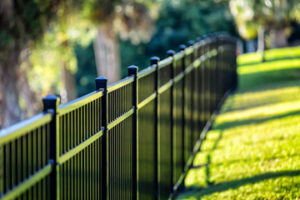
One of the most compelling advantages of metal gates and fences is their exceptional strength. Unlike materials that may warp, crack, or deteriorate over time, metal provides a solid and dependable barrier capable of withstanding daily use and environmental stress. This strength is particularly important in areas where security is a priority, as metal structures act as a strong deterrent while maintaining a refined appearance. Modern designs emphasize clean lines and precision, ensuring that strength does not come at the expense of visual sophistication.
Durability is closely linked to the long-term performance of metal gates and fences. Properly fabricated and finished metal can endure years of exposure without losing its structural integrity. Protective coatings and advanced surface treatments help resist corrosion, fading, and surface damage, even in demanding conditions. This resilience reduces the need for frequent repairs or replacements, making metal fencing a cost-effective solution over the lifespan of a property. For owners focused on minimizing maintenance while maximizing reliability, metal offers a clear advantage.
In contemporary design, versatility is essential, and metal gates and fences excel in this area. They can be crafted into a wide range of styles, from minimalist and modern to ornate and decorative. This adaptability allows designers to create fencing solutions that align with the overall architectural vision of a property. Whether the goal is to create a bold entrance, define boundaries subtly, or add visual rhythm to an exterior space, metal provides the flexibility needed to achieve these outcomes without compromising function.
Customization has become a major driver of popularity for metal gates and fences. With modern fabrication methods, designs can be tailored to specific dimensions, layouts, and aesthetic preferences. This ensures a precise fit and a cohesive appearance that complements surrounding structures. Custom metal fencing can follow the contours of a landscape, integrate seamlessly with walls or other architectural features, and accommodate unique entry points. The result is a solution that feels intentional and refined rather than generic or mass-produced.
Security remains a core reason why metal gates and fences are widely chosen, but modern designs approach security with subtlety. Instead of relying on bulky or intimidating forms, contemporary metal fencing uses strategic spacing, height, and structural reinforcement to provide protection while maintaining openness. This balance is especially valuable in environments where visibility and curb appeal are just as important as safety. Metal gates can also support advanced locking mechanisms and access systems without altering their overall design, ensuring both convenience and peace of mind.
Aesthetic longevity is another key advantage of metal gates and fences. While design trends may change, metal’s clean and timeless appearance allows it to adapt gracefully over time. Neutral finishes, refined profiles, and balanced proportions help metal fencing remain visually relevant even as surrounding landscapes or architectural styles evolve. This enduring appeal makes metal an excellent choice for property owners who want a solution that will not feel outdated after a few years.
From a practical standpoint, metal gates and fences offer significant advantages in terms of maintenance. Unlike wood, which may require regular staining or sealing, metal fencing typically needs minimal upkeep to maintain its appearance and performance. Occasional cleaning and routine inspections are often sufficient to keep metal structures in excellent condition. This low-maintenance nature is especially appealing for larger properties or commercial spaces where ongoing care can be time-consuming and costly.
Several factors contribute to the modern appeal of metal gates and fences:
- High structural strength combined with refined design, allowing for secure yet visually appealing installations.
- Advanced finishing options, which enhance durability while expanding color and texture choices.
These factors help explain why metal solutions continue to gain traction across a wide range of applications.
Sustainability has become an increasingly important consideration in modern construction, and metal gates and fences align well with environmentally conscious practices. Many metals used in fencing are recyclable, and their long lifespan reduces the need for frequent replacement. By choosing durable materials that perform reliably over time, property owners can minimize waste and resource consumption. Additionally, efficient fabrication processes help reduce material waste during production, further supporting sustainable building goals.
Metal gates and fences also integrate well with other materials, creating layered and dynamic designs. Pairing metal with stone, concrete, or wood elements can add depth and contrast to exterior spaces. For example, a metal gate framed by masonry can create a strong yet welcoming entrance, while metal fencing combined with natural materials can soften the overall appearance without sacrificing security. This ability to blend with different textures and finishes makes metal a versatile component in modern exterior design.
Another modern advantage of metal fencing is its scalability. Whether enclosing a small private yard or securing a large commercial property, metal systems can be adapted to suit the scale and complexity of the project. Modular components allow for consistent design across extended boundaries, while custom elements can be introduced at key focal points such as entrances or corners. This scalability ensures that the fencing solution remains cohesive and functional, regardless of property size.
Technological advancements have also influenced the evolution of metal gates and fences. Precision fabrication tools enable intricate patterns and clean welds, resulting in high-quality finishes and reliable performance. Digital design processes allow for accurate planning and visualization, reducing installation challenges and ensuring alignment with the overall architectural intent. These innovations contribute to a smoother installation process and a final product that meets both aesthetic and functional expectations.
In terms of property value, metal gates and fences offer a strong return on investment. Their durability, low maintenance requirements, and visual appeal can enhance curb appeal and create a positive first impression. A well-designed metal gate often serves as a focal point, signaling quality and attention to detail. Over time, these qualities can contribute to increased property desirability and long-term value, making metal fencing a strategic choice rather than a purely decorative one.
A second set of considerations often guides the selection and design of metal gates and fences:
- Balance between visibility and privacy, achieved through spacing, height, and design elements.
- Compatibility with the surrounding environment, ensuring the fence enhances rather than dominates the landscape.
Addressing these considerations early in the planning process helps ensure a solution that meets both functional needs and aesthetic goals.
In conclusion, the modern advantages of metal gates and fences extend far beyond basic security. They represent a sophisticated combination of strength, durability, design flexibility, and long-term value. Through customization, advanced finishes, and thoughtful integration with other materials, metal fencing solutions enhance the character and functionality of a property. For those seeking a reliable, stylish, and future-proof option, metal gates and fences continue to set the standard in contemporary exterior design.
