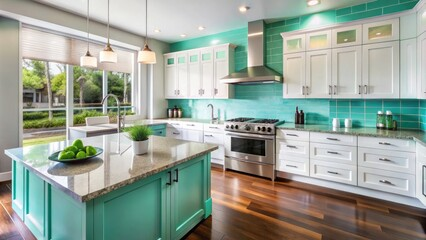
Cabinet painting is one of those projects that requires a lot more care and attention than most people expect. It’s important to avoid certain mistakes, such as skipping the prep process and using the wrong paint sheen, if you want your cabinets to last.
Cabinet Refinishing Sacramento use the right products and take the time to prepare cabinets properly, ensuring a high-quality finish that will stand the test of time.
1. Not Preparing the Cabinets Properly
One of the biggest mistakes that people make when refinishing their cabinets is not taking the time to properly prepare them. This includes cleaning, sanding and priming the cabinet surfaces. Failing to follow these steps can result in a poorly finished product that is more difficult to maintain over time.
This is especially true when it comes to kitchen cabinets. Because cabinets are used often, they tend to accumulate a lot of dirt and grime over time. Not only does this make the cabinets look dirty, but it can also cause problems with adhesion when painting or refinishing.
Kitchen cabinets should be thoroughly cleaned before refinishing to remove this grime and ensure that the new finish will adhere properly. Also, it is important to properly sand the surface of the cabinet before applying any primer or paint. This is because sanding will rough up the sheen on the cabinet and provide some “tooth” for the primer and paint to stick to.
It is also a good idea to label each cabinet door as it is removed, so that you know which one goes back where when you’re done. This may seem like a small detail, but it can save you a lot of headaches down the road. Also, it is a good idea to take your old hardware with you when you go shopping for replacements, so that you can make sure that they will fit properly.
2. Not Cleaning the Cabinets
It’s important to clean your cabinets properly before repainting them. This will ensure that the primer and paint stick to them properly. If you skip this step, it’s likely that the finished product will have imperfections. It’s also important to allow each coat of primer and paint to dry completely before applying the next one. Otherwise, bubbles may form and ruin the appearance of your kitchen cabinets.
Many people try to save time and money by refinishing their cabinets without cleaning them first. This can result in permanent damage to the wood and stain color. It can also cause the finish to peel and fade. Many common cleaners, including lemon oils and furniture waxes, contain petroleum distillates that soften original finishes and cause them to decay faster.
3. Not Sanding the Cabinets
Many cabinet refinishers skip this step, and it’s a big mistake. Without sanding, the new paint will not bond securely with the cabinet surface and can eventually chip or peel. This is also more likely to happen in areas prone to moisture and high humidity, since the new paint will not hold up as well.
While it may seem like a time-consuming step, the truth is that sanding is essential for achieving a smooth and professional finish. It allows you to smooth out any bumps or rough spots and gives your cabinets a canvas on which to display their colors. Without sanding, your cabinets will look drab and sloppy, no matter how great your new paint color is.
In addition, sanding helps to prepare the cabinets for priming. The primer will adhere better to the sanded surface and will help to prevent the new paint from bleed-through. This is especially important if you’re planning to use an opaque or semi-opaque color, which will show through more than a glossy or semi-glossy paint. If you’re going to sand your cabinets, make sure to do so carefully and thoroughly and use a vacuum or a lint-free tack cloth to remove all of the dust from the surface. You should also wear a mask and safety goggles to protect yourself from airborne dust particles. Also, be sure to choose a sanding tool that’s appropriate for your specific cabinet material.
4. Not Using the Right Paint
Cabinet surfaces-especially those near the sink and stove-collect grease, residue, and general gunk. Painting over this without properly cleaning can lead to a messy, uneven finish that chips and peels far sooner than expected. This is why we always recommend refinishing cabinets with the doors removed for the best results. Keeping the doors in a separate workspace can also help you avoid accidentally bumping into them as they dry, and make reattaching them much easier.
A common mistake that many amateur refinishers make is using wall paint on their cabinets. While it might look like a cheaper option, a standard latex-based paint won’t hold up well to the constant friction and moisture that cabinets face. Instead, you should use a cabinet-rated acrylic-polyurethane paint that will be durable and resist chipping and peeling better than normal wall paint.
Another mistake that many amateur refinishers make when repainting their cabinets is using too thick of a coat. Thick coats will drip and bubble, and may leave visible brush marks. A thin, even coat of paint is the key to a beautiful, long-lasting finish.
Finally, many people make the mistake of sealing their new cabinet finish with polyurethane. While this is fine on bookshelves or tables, it’s not a good idea for cabinetry. Polyurethane will yellow over time, giving your cabinets a buttery color that’s not very appealing. Instead, use a clear polyacrylic sealer that will last a long time and not yellow or smudge as the finish ages.
5. Not Using the Right Primer
The primer is like the glue that connects your paint. It helps the first coat of paint adhere really well to your cabinets, which is crucial for durable finishes. Primer is also cheaper than cabinet paint, making it a great value. It can also be tinted to a shade close to your cabinet paint color, which saves even more money.
If you skip the primer, your new paint could start to peel in a few months. You can avoid this by using a high-quality product such as BIN Shellac Primer. This primer dries quickly and is self-leveling. It also blocks stains and protects the surface from future damage.
Another mistake is applying the wrong type of paint. For example, you should not use wall paint on your cabinets, as it will chip and peel more easily than an oil-based paint. Instead, choose a high-quality cabinet paint such as Sherwin Williams or Benjamin Moore Backwoods. This will be more durable and withstand the daily wear and tear of your kitchen.
When refinishing your cabinets, it’s important to take the time to do it right. Skipping steps such as cleaning, sanding, and priming can lead to an uneven layer of paint that won’t last. For a long-lasting finish, it’s best to leave the project to a professional. They will know the proper techniques for preparing cabinets for painting and will ensure that your finished results look beautiful.
6. Not Using the Right Finish
Many homeowners rush into applying a new finish without taking the time to properly prepare the cabinets. The result is a poor job that is likely to chip, flake or peel over time. There are a variety of products on the market, including tinted poly and waxes that can change cabinet color, but these are not as durable as a clear stain or paint that is specifically formulated for cabinets. They can also streak, leave disproportionate coloration and wash off with common cleaning products, making them less than ideal for long-term use.
The type of finish you use is also critical, as not all products are formulated the same. Not only do low-quality products chip and flake more quickly, they are often not designed for the high-traffic environments where cabinets live. When it comes to paint sheens, satin and semi-gloss are typically the best choices for cabinetry, as they are easier to clean than gloss finishes and provide a nice level of shine without looking too glossy.
If you’re refinishing over existing painted surfaces, it’s important to test the surface for oil-based or water-based paint. To do this, simply apply rubbing alcohol to a cloth and rub it over a small area of the existing painted surface. If the paint comes off, it’s probably latex; if not, it’s most likely oil-based.
